
Nvidia officially announces the GTX 680, blows AMD out of the water in benchmarks

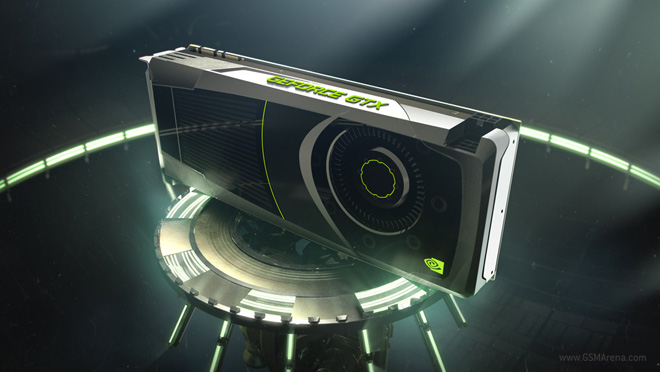
After an unofficial  yesterday, the first of the Kepler series of graphics cards, the Nvidia GTX 680, has now been officially announced. This is Nvidia’s flagship graphics card for now and is the fastest they have ever built. It uses the 28nm fabrication process, a first for an Nvidia GPU, along with some other new tech, such as GPU Boost.
What GPU Boost does is it automatically increases the clock speed of the GPU when it is under load, from a base clock speed of 1006MHz to 1058MHz to provide better frame rates. But what this feature also does is it reduces the clock speed when the GPU is not being taxed, dropping down all the way to 324MHz during idle

Comments

Popular posts from this blog

BlackBerry Z10 Dev Alpha C launched for BB app developers

BlackBerry has launched a new Dev Alpha C program along with a new developer-only device at its Jam European event held in Amsterdam. The Dev Alpha program is intended to help the coders build applications for the BlackBerry devices with physical keyboards. BlackBerry also announced its WebWorks SDK , which should help the development of applications for its recently launched  BlackBerry Q10  smartphone.

Intel launches its Ivy Bridge processor line-up, leaves dual-core and low-voltage varieties for later

Today,a little ahead of schedule  Intel is launching its Ivy Bridge family of processors. Originally, Intel was supposed to launch the new CPU family on April 29, but after the numerous delays, doing it a bit early won’t hurt anyone.

Microsoft showcases upcoming Office 15 for Windows 8 on ARM

While demonstrating Windows on ARM (WOA), Microsoft also showcased the next version of its office suite, Office 15. This new version of Office will be fully compatible with WOA and come with Word, Excel, PowerPoint and OneNote. As you can see from the video below, Office 15 has a new flattened look, which is tune with the look of Windows 8. Office 15 will run in desktop mode on Windows 8, which is why the UI resembles apps like the new Explorer instead of the Metro apps